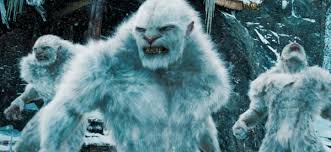
 |
| YETI |
The
yeti is an alleged APE like animal said to inhabit the Himalayan region of Nepal and Tibet,it's like a bear,The yeti has often been compared physiologically to the American sasquatch, as both are large, hold a structural similarity to the apes
family, are covered in hair, have a sagittal crest atop their heads and
possess an extremely potent smell. However, unlike sasquatch, there
have been few visual sightings of the yeti at close range reported since
the twentieth century,i think it just a tibetan blue bear.
evidence : 1. they walk with 4 legs but stand on all two feet when scared or threatened
2. they have a brown hair which covered by snow
3. tibetan blue bear also walk with four legs and can stand with two feet
4. there isnt any clear photo about the face of yeti
 |
| yeti scalp |
 |
| Dr.biswamoy |
 |
| yeti sighting |
some fact about yeti
The
word Yeti comes from a Tibetan compound word roughly translating to
“bear of rocky place”. - See more at:
http://greathimalayatrails.com/8-things-we-bet-you-didnt-know-about-the-mysterious-yeti/#sthash.obmL5uRl.dpuf
The
word Yeti comes from a Tibetan compound word roughly translating to
“bear of rocky place”. - See more at:
http://greathimalayatrails.com/8-things-we-bet-you-didnt-know-about-the-mysterious-yeti/#sthash.obmL5uRl.dpuf
The word Yeti comes from a Tibetan compound word roughly translating to “bear of rocky place”.
The
legend of the Yeti dates back thousands of years and began with the
indigenous people of the Himalayan region who believed that Yetis were
the guardians of the mountains. They were meant to keep watch over the
mountains to prevent curious mortals from climbing to the top and
disturbing the gods who lived there.
The story of the Yeti is
deep-rooted in Nepali culture and religion. If you’re ever lucky enough
to catch the Buddhist Mani Rimdu Festival in the fall you will see monks
dance around wearing masks of divine creatures. The Yeti is one of
them.
Reported sightings by climbers exploring the Himalayas in
the 1950’s helped fuel western interest in the Yeti. Tenzing Norgay and
Sir Edmund Hillary were said to have found large footprints in the snow
while climbing Everest. They returned on an expedition with a group of
scientists in the 1960’s searching for evidence of the Yeti, but not a
trace was found and Hillary later dismissed the whole thing as legend.
In
the 1950’s the Nepali government rather industriously capitalized on
the increasing popularity of the Yeti myth and issued yeti-hunting
licenses for the rather bold sum of $625. Still to-date there have been
no successful captures of the species.
Besides the rather
lucrative hunting permit, the legend of the Yeti has lent its name to
two other successful business ventures in Nepal. The 5-star hotel Yak
& Yeti is probably the most well-known hotel in the country and Yeti
Airlines connects domestic travelers from Kathmandu to far-reaching
mountain areas.
Skeptics suggest that the unusually large tracks
in the snow are normal animal prints melted into each other to look
like prints from a larger animal. They believe Yeti sightings are
attributed to unfortunate misidentification of Himalayan wildlife.
Understandably, animals like the Tibetan blue bear, Himalayan brown
bear, and even hermits taking up residency in remote mountain caves, can
all look a bit Yeti-esque when suffering from oxygen deficiency…
A
British Genetics Professor claimed to have solved the riddle of the
Yeti a few years ago. The creature is explained to be a sub-species of
the brown bear, more specifically a mix between the Himalayan brown bear
and an ancient polar bear species.
- See more at: http://greathimalayatrails.com/8-things-we-bet-you-didnt-know-about-the-mysterious-yeti/#sthash.obmL5uRl.dpuf
1. The word Yeti comes from a Tibetan compound word roughly translating to “bear of rocky place
2. A British Genetics Professor claimed to have solved the riddle of the Yeti a few years ago. The creature is explained to be a sub-species of the brown bear, more specifically a mix between the Himalayan brown bear and an ancient polar bear species.
3.The story of the Yeti is deep-rooted in Nepali culture and religion. If you’re ever lucky enough to catch the Buddhist Mani Rimdu Festival in the fall you will see monks dance around wearing masks of divine creatures. The Yeti is one of them
A
British Genetics Professor claimed to have solved the riddle of the
Yeti a few years ago. The creature is explained to be a sub-species of
the brown bear, more specifically a mix between the Himalayan brown bear
and an ancient polar bear species. - See more at:
http://greathimalayatrails.com/8-things-we-bet-you-didnt-know-about-the-mysterious-yeti/#sthash.obmL5uRl.dpuf
The word Yeti comes from a Tibetan compound word roughly translating to “bear of rocky place”.
The
legend of the Yeti dates back thousands of years and began with the
indigenous people of the Himalayan region who believed that Yetis were
the guardians of the mountains. They were meant to keep watch over the
mountains to prevent curious mortals from climbing to the top and
disturbing the gods who lived there.
The story of the Yeti is
deep-rooted in Nepali culture and religion. If you’re ever lucky enough
to catch the Buddhist Mani Rimdu Festival in the fall you will see monks
dance around wearing masks of divine creatures. The Yeti is one of
them.
Reported sightings by climbers exploring the Himalayas in
the 1950’s helped fuel western interest in the Yeti. Tenzing Norgay and
Sir Edmund Hillary were said to have found large footprints in the snow
while climbing Everest. They returned on an expedition with a group of
scientists in the 1960’s searching for evidence of the Yeti, but not a
trace was found and Hillary later dismissed the whole thing as legend.
In
the 1950’s the Nepali government rather industriously capitalized on
the increasing popularity of the Yeti myth and issued yeti-hunting
licenses for the rather bold sum of $625. Still to-date there have been
no successful captures of the species.
Besides the rather
lucrative hunting permit, the legend of the Yeti has lent its name to
two other successful business ventures in Nepal. The 5-star hotel Yak
& Yeti is probably the most well-known hotel in the country and Yeti
Airlines connects domestic travelers from Kathmandu to far-reaching
mountain areas.
Skeptics suggest that the unusually large tracks
in the snow are normal animal prints melted into each other to look
like prints from a larger animal. They believe Yeti sightings are
attributed to unfortunate misidentification of Himalayan wildlife.
Understandably, animals like the Tibetan blue bear, Himalayan brown
bear, and even hermits taking up residency in remote mountain caves, can
all look a bit Yeti-esque when suffering from oxygen deficiency…
A
British Genetics Professor claimed to have solved the riddle of the
Yeti a few years ago. The creature is explained to be a sub-species of
the brown bear, more specifically a mix between the Himalayan brown bear
and an ancient polar bear species.
- See more at: http://greathimalayatrails.com/8-things-we-bet-you-didnt-know-about-the-mysterious-yeti/#sthash.obmL5uRl.dpuf
well,we don't know that is real or not,but imagine it ,when in one day there is some one who succed solved the mystery,he/she will be a very famous person right?, if you want more information,you can visit wikipedia and the other website,sorry if this article was too short.


Tidak ada komentar:
Posting Komentar